Most falls happen in the dark. That one trip to the bathroom at 3 a.m. can change everything. A missed step, a shadowy hallway, a foot that lands wrong—and now there’s a broken bone. But here’s the surprising part: this doesn’t need to happen.
Simple lighting changes can stop it. This is not about buying fancy devices or spending a lot of money. It’s about placing the right lights in the right places. You’re about to see how smart lighting can protect independence, boost safety, and help you stay on your feet longer.
Falls are the number one cause of injury for older adults. One fall can mean surgery, hospital stays, or a permanent loss of freedom. And most of these falls happen inside the home. In fact, poor lighting is one of the top hidden causes.
Some seniors don’t talk about their fear of falling. But it’s there—quiet and steady. Some stop walking as much. Some avoid drinking water in the evening just to skip nighttime bathroom trips. But there’s a better way to face this.
The goal is not just more light. It’s smarter light. Light that moves with you. Light that adjusts based on time. Light that makes safety automatic—no reaching, no guessing, no delays. That’s what smart lighting does, and it can be installed step by step.
Build a Safer Home One Light at a Time
Start with Motion-Activated Night Lights
Motion-activated lights are one of the most important tools for fall prevention. They turn on when you move. No switches. No delay. The light appears the moment you need it. This keeps you from walking in the dark, which is when most falls happen.
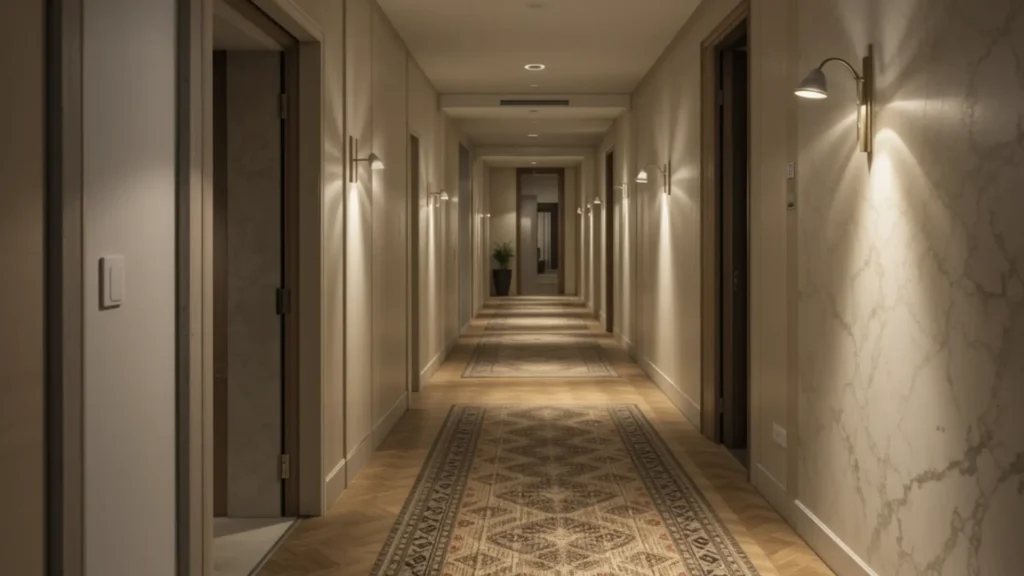
Place these lights where your feet go first—under the bed or on the wall next to it. The light should catch your foot the second it moves. From there, build a full pathway. Add another light near the bedroom door. Add more down the hallway. You can guide your whole route to the bathroom or kitchen without ever touching a switch.
Choose lights that are bright enough to show your step but soft enough to keep your eyes relaxed. Many motion lights turn off by themselves, which saves energy. They only stay on for a short time. You don’t need to remember anything. You just walk, and they help.
For extra safety, choose lights with a wide sensor range. That way, the light turns on before you get too close. If your home has pets, pick a model that ignores low-level movement, so the lights only respond to you. Some lights can also adjust brightness based on how dark the room is. You get what you need—no more, no less.
Add Light Strips to Key Areas
LED light strips give you gentle, low lighting right where your eyes look and your feet go. They’re thin, flexible, and easy to stick in place. You don’t need a tool kit or a helper. Just peel, stick, and turn them on.
Start with high-risk spots. Under kitchen cabinets. Along the base of your bathroom wall. Around toilet edges. Along hallway floors. These are places where your eyes need help but ceiling lights can’t reach.
Some strips plug into the wall. Others use batteries. Both work well. If you pick motion-sensing strips, they only light up when you need them. That makes your nights safer and your energy bill smaller.
These lights won’t wake your brain up fully during a midnight trip to the bathroom. They give enough light for clear vision but stay soft enough to let you go back to sleep. That means better safety and better sleep in one step.
Light strips are also good for stairs. If you have a single step or multiple stairs, place the strip near the edge. This way, your foot sees the edge before it steps. That’s how falls are stopped before they start.
Use Smart Bulbs for Time-Based Control
Smart bulbs let your lights follow your day—without you doing anything. You can set them to turn on or off at certain times. Wake up at 6 a.m.? Your lamp can already be glowing gently. Go to bed at 9 p.m.? Your lights can fade down to help your body feel calm.
You don’t need to touch a switch. No bending. No reaching. You can use a phone app, a remote, or a voice assistant if you want. But most smart bulbs also work on simple timers. You set it once, and the rest is automatic.
Timed lighting is helpful in many parts of the home. A hallway light that turns on every night at 10 p.m. means fewer stumbles. A living room lamp that dims slowly around bedtime helps your body relax. A bathroom bulb that lights up gently before you wake keeps your steps safe.
Smart bulbs also save energy. Some models track how long they stay on. Some can be dimmed to different levels. You get control over brightness, timing, and location—all without walking across the room.
For seniors with memory trouble, this is a big win. Forgetting to turn off lights won’t matter anymore. You’ll have a home that lights up when it should—and rests when it doesn’t need to help.
Place Lights at Floor Level
Many homes rely only on ceiling lights. But that leaves gaps in safety. Your feet move across the floor—not the ceiling. That’s why floor-level lighting helps stop the most common falls.
When your eyes look down, they need to see rugs, shoes, cords, and door sills. A ceiling bulb leaves shadows. But lights near the floor erase them. You see what’s in your way. You move around it instead of into it.
Toe-kick lights work well in the kitchen or bathroom. Step lights can sit along each stair or edge of a step. Threshold lights help when one room has a small step down or up. These are small tools, but they fill big safety gaps.
Choose lights that don’t shine directly into your eyes. Look for models with soft white or warm glow settings. These lights won’t disturb sleep but will still give your brain enough visual detail to keep you steady.
You can mount these lights with adhesive. No drilling. No wires. Some plug in. Some are battery-powered. Either works. What matters most is that your floor stays visible when your balance is weakest—during early mornings, bathroom trips, and late-night water runs.
Use a Central Lighting Hub or Smart Plug
Now let’s bring it all together. A central lighting hub or smart plug gives you control over multiple lights with one simple action. This makes it easy to prepare your space before you move.
Place a button or remote near your bed. Press it once, and your hallway lights, bathroom lights, and kitchen lights turn on at once. No need to walk into darkness. No need to call for help.
Some smart plugs let you group lights by zone. For example, a “night path” setting turns on only the low-level lights you need. A “daytime” setting turns on brighter room lights. You choose what happens, and the hub makes it work.
If you don’t like phones or apps, don’t worry. Many of these hubs come with basic remotes. Some offer wall-mounted buttons with large, easy-to-press surfaces. These tools are made for simplicity—not for tech experts.
You can also use voice if that’s easier. Say “Turn on the bathroom” from your bed, and it lights up. Or say “Lights off,” and everything powers down. But you don’t need to speak if you don’t want to. The button works on its own.
This setup works well for seniors who live alone. It keeps movement safe. It gives you full control. And it doesn’t need daily setup or updates. Once installed, it just works—and that’s what makes it powerful.
Now Do This: Your Simple Lighting Plan
Map Your Movement
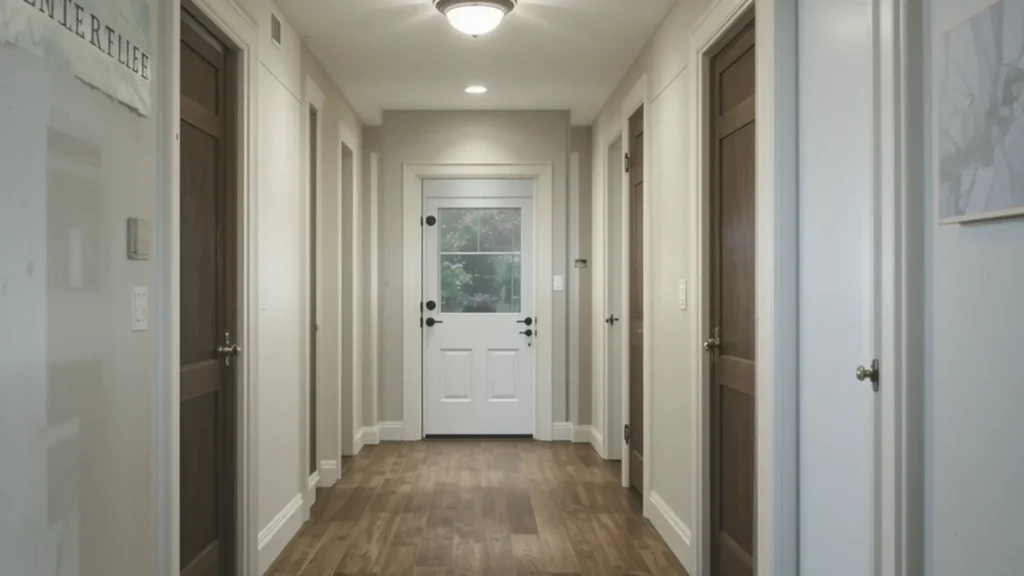
Start by walking through your home the way you do after dark. Think about every trip you take from bed to bathroom, from living room to kitchen, or down the hall to check the door. Do this with all lights turned off. Move just the way you would at night.
Where do your feet go? Where do you pause or turn? These are the areas that need light the most. Now ask yourself: where does it feel hard to see? Where could your foot catch on a rug, wire, or step? Mark those spots mentally or on paper.
This step helps you stop guessing. You get a full picture of your nighttime habits. You can’t fix what you can’t see—so now you’ve seen it clearly.
Choose the Right Tool for Each Spot
Now that you know where you move, match each spot with the right lighting tool. Here’s a clear setup to guide you:
- Bedroom floor: Place a motion night light under the bed or along the base of the wall. It will turn on when your feet touch the floor.
- Bathroom: Use an under-the-sink strip light. It gives off soft light that doesn’t wake your brain but keeps you safe.
- Hallway: Plug in a motion sensor light along the wall or near the floor. It should activate as you approach, not after you pass.
- Stairs: Apply LED strip lights along the edge of each step or use small step lights. Your eyes will catch the edge before your foot lands.
- Living room: Use a smart bulb with dimmer control. Set it to glow softly during early morning and evening hours when your balance is lower.
- Entryways: Add a button-controlled switch near your favorite chair or bedside. One press lights your path to the front or back door.
This setup doesn’t cost much, and you don’t need to install everything in one day. Start with the area where you walk the most. Add more tools as needed. Each change you make adds to your safety.
Test It in Real Time
Don’t guess. Walk your routes at night, just as you would normally. Keep the room dark before you enter. Now turn on the lights—or wait for them to come on automatically. What do you notice?
Ask yourself:
- Are the lights bright enough to show where your feet should go?
- Can you see door edges, rugs, or table legs clearly?
- Are there still shadows that make you squint or hesitate?
This is your chance to fix what isn’t working. Maybe a light needs to move a few inches. Maybe it needs to be brighter. Adjust the angle, replace the bulb, or move the strip. Take your time. Safety isn’t about fast—it’s about right.
Once it feels smooth and easy to walk each path, you’re ready to move on.
Set Your Daily Routine Lights
Smart lighting helps your brain and body get into rhythm. You don’t just want bright rooms. You want light that matches your daily pattern.
Set your smart bulbs to turn on 30 minutes before you wake up. This helps your eyes adjust gently and gives your body time to warm up before you move. Light before movement = less risk of falling.
In the evening, program the same lights to dim automatically one hour before bed. This signals your brain to slow down. You move less sharply, so soft light keeps you calm but still safe.
Use timers to match your habits. If you nap during the day or use the hallway around sunset, build light routines to match those times too. Once it’s programmed, you never have to think about it again.
Show Someone You Trust
You’re doing this for your safety—but others can help make it stronger. Tell someone close to you about your lighting setup. It can be a family member, neighbor, or caregiver.
Walk them through your night path. Show them where each light is placed. Let them try the buttons or smart plugs. Explain your routine: when you wake, when you move, when the lights come on.
Why does this matter? If there’s a power outage, they’ll know what lights matter most. If something breaks, they can help you fix it faster. If you ever need help at night, they’ll know how to support you without making things worse.
Smart lighting is better when it’s shared. It keeps you safer—and it helps others keep you safe too.
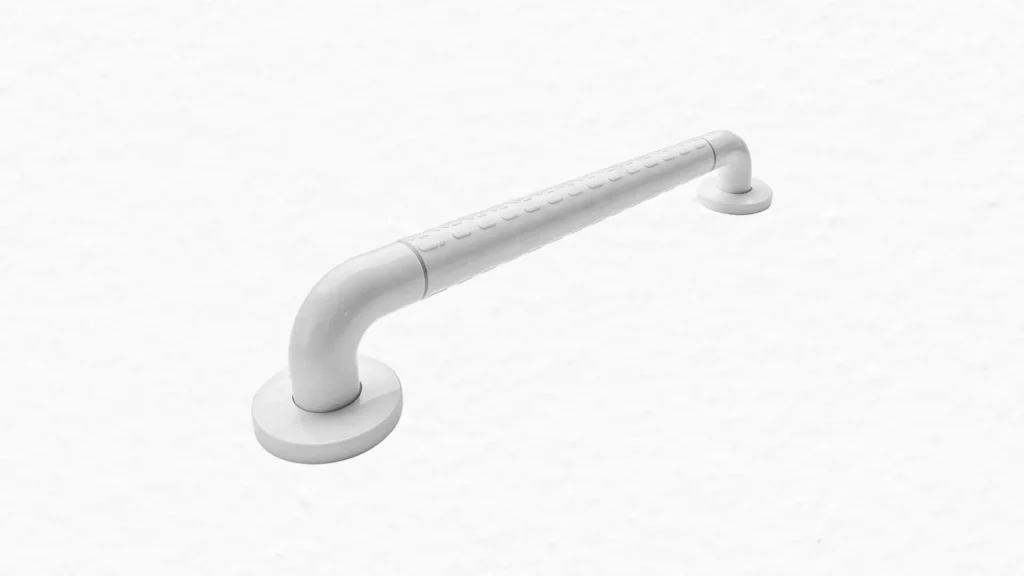
Most fall-prevention tips talk about grab bars and walking shoes. Those help, too. But lighting is where many accidents start. And it’s easy to ignore—until it’s too late.
Smart lighting doesn’t mean buying expensive gadgets. It means thinking clearly about movement and safety. It means giving your body the light it needs, exactly when it needs it.
This is how you protect your freedom. This is how you walk without fear. One small light at a time.