Oppo Watch S is the latest smart wearable from Oppo, a brand better known for its smartphones than its watches. But with this release, Oppo is clearly aiming for a premium spot in the Android smartwatch market—offering a sleek design, solid health features, and Wear OS compatibility.
The First Impression of Oppo Watch S
Let’s start with first impressions.
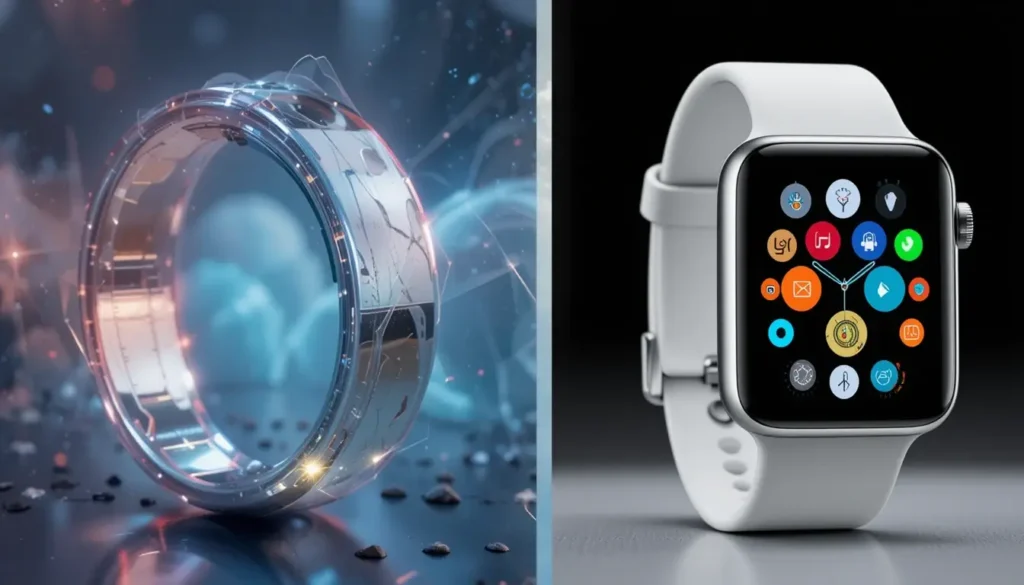
Out of the box, Oppo Watch S feels surprisingly premium. It comes in a compact, minimalist box with the watch, a magnetic charging dock, and a quick-start guide. The watch itself has a stainless steel case, a curved AMOLED display, and a fluoroelastomer strap that’s soft, flexible, and sweat-resistant. At 43mm, it’s not too large or too small—making it wearable for most wrist sizes.
The design leans elegant rather than sporty, which sets it apart from bulkier fitness-focused watches like the Garmin Venu or even Samsung’s Galaxy Watch lineup. The rotating crown and single side button are responsive and well-placed, though the crown doesn’t actually rotate—it’s just a pressable button disguised as one, which feels a bit misleading.
Build quality is solid. The glass is scratch-resistant, the strap is replaceable, and the whole thing feels durable enough for daily wear, including light workouts or rainy commutes. That said, it’s not the lightest watch out there—coming in at around 48 grams—but it’s comfortable enough once you get used to it.
Setting up Oppo Watch S is straightforward if you’re on Android. Just download Oppo Health app, pair it via Bluetooth, and follow the on-screen prompts.
The whole process takes under five minutes. iOS users can pair it too, but functionality is limited—no call answering, reduced notification control, and some health features don’t sync properly. So right off the bat, this is clearly optimized for Android users, especially those in Oppo or OnePlus ecosystem.
Once set up, the interface is clean and intuitive. It runs Wear OS 4 with Oppo’s custom skin layered on top. You get Google Assistant, Google Wallet, and access to the Play Store—but app selection is still limited compared to smartphones, and some third-party apps feel sluggish. Scrolling through menus is smooth thanks to the 1.43-inch AMOLED display, which is bright, colorful, and sharp—even in direct sunlight.
In real-world use, Oppo Watch S shines as a daily companion. Notifications are reliable, voice replies work well, and the always-on display is easy to glance at without waking the screen. Fitness tracking is where it gets interesting.
It includes heart rate monitoring, SpO2 sensing, sleep analysis, stress tracking, and over 100 workout modes—from running and cycling to yoga and rowing. During testing, GPS locked on quickly during outdoor runs, and step counts matched closely with a Garmin reference device.
Sleep tracking was impressively detailed, breaking down light, deep, and REM phases with helpful insights in Oppo Health app.
But it’s not perfect. The heart rate sensor occasionally lagged during high-intensity intervals, and the stress score felt more like a guess than a precise metric. Also, while the watch claims 5-day battery life, real-world usage with always-on display, daily workouts, and regular notifications brought that down to about 2.5 days.
That’s not terrible—but it’s far from the multi-day endurance you get from something like a Huawei Watch GT or even the newer Samsung Galaxy Watch 7.
Compatibility is another mixed bag. As mentioned, Android users—especially Oppo or OnePlus owners—get the full experience. You can control your phone’s camera, find your device, and even unlock your Oppo phone with the watch.
But iPhone users miss out on key features, and even some Android phones outside Oppo’s ecosystem have minor syncing hiccups. Oppo Health app is clean and functional, but it’s not as polished or insightful as Google Fit or Samsung Health.
Pros vs Cons
So, what’s good about Oppo Watch S?
- The design is sleek, premium, and versatile—works with both casual and formal outfits.
- The AMOLED display is gorgeous: vibrant, responsive, and easy to read.
- Health tracking is comprehensive and mostly accurate for everyday use.
- Wear OS support means access to Google apps and services, which many competitors still lack.
- Build quality feels durable, and the strap is comfortable for all-day wear.
On the flip side, here’s what’s not so great:
- Battery life falls short of the advertised 5 days—closer to 2–3 with normal use.
- The “rotating crown” is fake—it doesn’t rotate, which feels like a missed opportunity.
- iOS support is limited and frustrating for iPhone users.
- Some health metrics (like stress and automatic workout detection) lack precision.
- Oppo Health app, while decent, doesn’t offer deep insights compared to rivals.
When it comes to value, Oppo Watch S sits at a mid-to-high price point—typically around $299. That puts it in direct competition with the Samsung Galaxy Watch 6, Google Pixel Watch 2, and Huawei Watch 4. Compared to the Galaxy Watch 6, it offers a more elegant design and similar health features—but Samsung’s ecosystem integration and longer software support give it an edge.
Against the Pixel Watch 2, Oppo wins on battery life and display size, but loses on app polish and Google-native experience. If you’re already in Oppo/OnePlus world, this watch makes a lot of sense. But if you’re platform-agnostic, there are stronger options.
Who should buy Oppo Watch S?
- Android users—especially Oppo or OnePlus owners—who want a stylish, full-featured smartwatch with Wear OS.
- Casual fitness enthusiasts who want solid health tracking without diving into hardcore metrics.
- People who prioritize design and screen quality over ultra-long battery life.
Who should skip it?
- iPhone users—compatibility is too limited to justify the price.
- Battery life obsessives—this isn’t a 7-day smartwatch.
- Data-driven athletes who need precise, real-time biometrics and advanced training insights.
Oppo Watch S isn’t revolutionary, but it’s a refined, well-rounded smartwatch that gets the fundamentals right. It looks great, tracks health reliably enough for most people, and integrates smoothly with Android—especially Oppo’s own devices. It’s not perfect, and the battery life could be better, but for the price, it delivers a premium experience without overpromising.