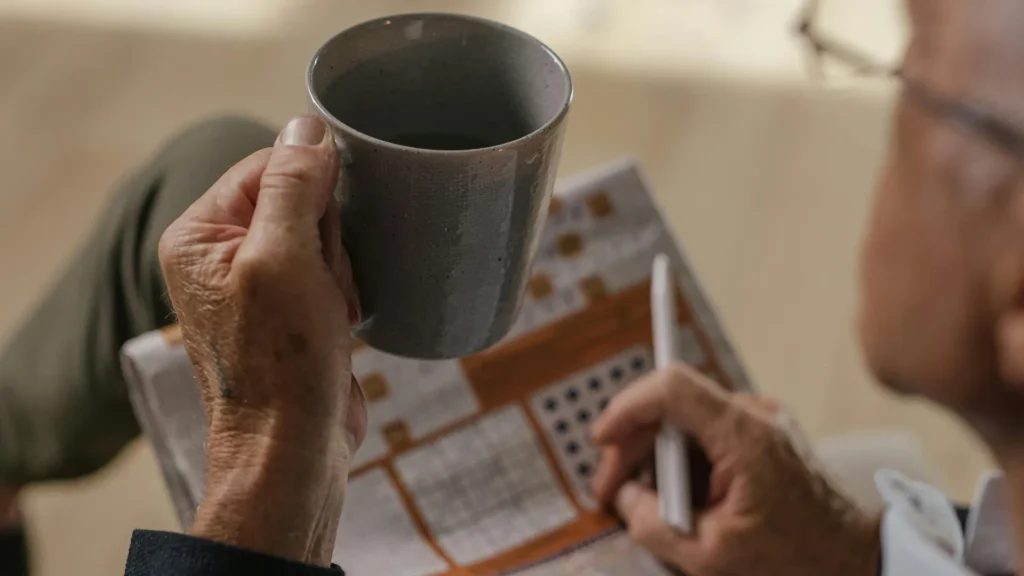
You’re sitting quietly. A puzzle lies open on the table. You read a clue, and the answer hits you. That small success sparks something inside you. It feels sharp, clean, and satisfying.
This isn’t just a game. For older adults, crossword puzzles can be one of the best brain tools you can use every day. They are simple, calming, and they work. You don’t need any special skills. You only need curiosity and a little time.
Some people feel their mind slowing down with age. They forget little things or lose track of conversations. That can feel scary. But there’s something you can do to help. And it starts with just one word at a time.
In this article, you’ll learn how beginner crossword puzzles can help your brain. You’ll find out how to choose the right ones, how to build a daily habit, and how it can change the way you think and feel. If you want a clearer, stronger mind, this may be the most helpful thing you read today.
Why Easy Puzzles Help Your Brain
Crossword puzzles are gentle brain workouts. They are not too hard or too easy. They sit in the sweet spot where your brain feels challenged, but not overwhelmed. That’s where real growth happens.
Each time you try to remember a word, your brain builds a path. The more you do this, the stronger the path becomes. That’s how memory works. Repetition builds power. Crossword puzzles make this process feel fun.
They help you remember names and facts. They make you quicker in conversations. They help you find words faster when you speak. All of this helps you feel more confident around others.
They also help with focus. When you’re solving a puzzle, your brain stays in the moment. You’re not thinking about yesterday or tomorrow. You’re just focused on solving the next word. That deep focus is great for mental clarity.
And here’s another reason they help: they feel good. Every time you solve a clue, your brain gives you a reward. It feels like a tiny success. That feeling releases a chemical in your brain that lifts your mood. That’s the brain’s way of saying, “Do that again.”
Crossword puzzles also help with calmness. They are not rushed. You can take as long as you want. If you get stuck, you can pause. This low-pressure setting keeps your brain active without stress.
They also help build healthy habits. Doing one puzzle a day may not feel like much. But over time, it turns into a routine that supports brain health. Good routines keep your mind and emotions steady, which is important as you age.
How to Choose the Right Crossword Puzzle
Not every crossword puzzle is helpful. If the clues are too hard, you may feel frustrated. If they’re too easy, you may lose interest. The best puzzles for beginners are the ones that give you just the right amount of challenge.
A good beginner puzzle should have large print. This helps reduce eye strain. You shouldn’t have to squint or struggle to read the clues. The letters should be big, bold, and easy to see.
The clues should also be based on common knowledge. That means topics most people are familiar with—such as family, food, animals, colors, seasons, or simple facts. These kinds of clues help trigger memories and build recall.
Themes are also important. Puzzles that have simple themes feel more familiar. For example, a puzzle about fruits or weather feels more welcoming than one about history dates or hard vocabulary.
Size matters too. Choose puzzles that can be done in one short sitting. Smaller puzzles with 10–15 clues are great for beginners. They don’t take too long and they’re easier to finish, which feels rewarding.
Stay away from puzzles made for experts. Those often include strange clues, rare words, or tricks that are not helpful. If a puzzle confuses you more than it helps you think, it’s not the right one.
You can find the right puzzles in many places. Bookstores sell beginner crossword books made for seniors. Libraries usually carry puzzle books you can borrow. You can also find free printable ones online. Just make sure they are labeled “easy” or “beginner” before you try them.
If you start a puzzle and it feels too hard, don’t push through. Set it aside and try another. The goal is not to finish every puzzle. The goal is to feel clear, calm, and focused while solving them.
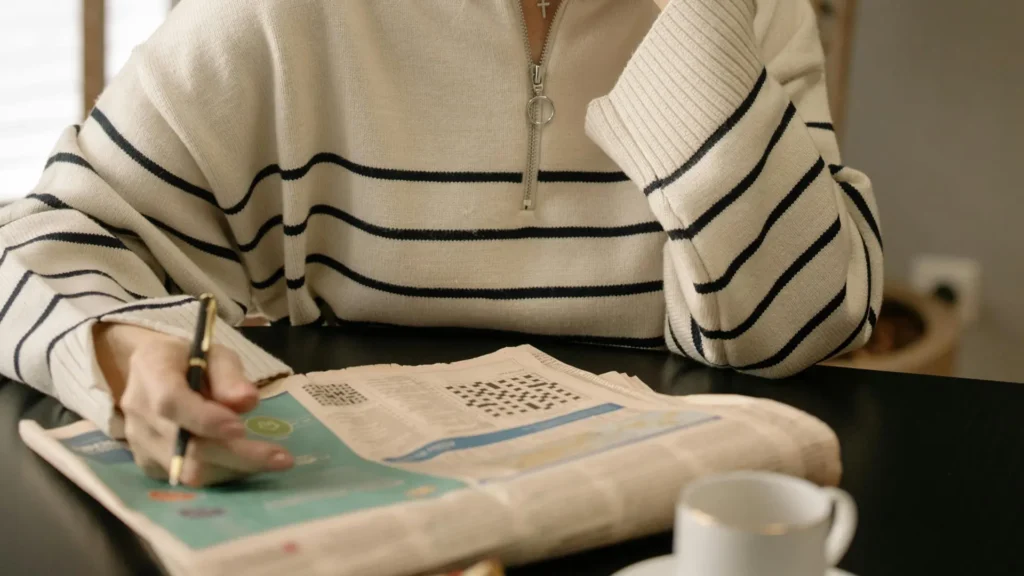
Daily Crossword Time: Make It a Habit
Solving one crossword puzzle a day can make a big difference. The effects build up fast. After a few days, you might feel more alert. After a few weeks, you might notice that words come to you more easily.
Pick a time of day that works for you. Some people feel more awake in the morning. Others feel clearer in the afternoon. Choose the time when your mind feels steady, and try to use that same time each day. This makes it easier to stick with the habit.
Keep your puzzle things in one spot. Have your pen, puzzle book, and reading glasses ready in a place you see every day. The easier it is to begin, the more likely you are to follow through.
If you want to stay focused, try setting a short timer. Ten to fifteen minutes is plenty. You don’t need to finish the puzzle. You just need to spend focused time on it. This gentle time limit helps you stay sharp without getting tired.
You can track your progress. Keep a calendar or notebook and check off each day you do a puzzle. Seeing your effort build over time is motivating. It shows that you’re doing something real for your brain, every single day.
And don’t do it alone. Invite someone to join you. A spouse, a friend, or even a caregiver can sit with you and work on the puzzle together. Talking through clues with someone makes the experience more social and fun.
Crossword time can be a quiet moment of the day that you enjoy. It becomes more than a habit. It becomes something to look forward to. A little win. A little peace. A little pride in yourself.
The Real Benefits You Start to Feel
After sticking with crossword puzzles for a few weeks, you’ll likely begin to feel the change. These changes can surprise you. They may start small, but they matter.
You might notice that you speak more clearly. You find the right word faster. Your sentences feel more complete. This makes conversations smoother and more enjoyable.
You may start to remember more. Grocery lists, names of neighbors, things you heard on the news—they all come back faster. Your brain feels less cloudy.
You may feel calmer when making choices. Crossword puzzles train your brain to slow down and think clearly. That same skill helps you when you make decisions in daily life.
You might enjoy your quiet moments more. Crossword time becomes a moment of purpose. It turns silence into something you enjoy, not something you avoid.
Some seniors say they sleep better. A relaxed mind helps you fall asleep faster and rest deeper. Crossword puzzles can help calm your mind before bed.
Others report feeling more motivated. When you finish a puzzle, you feel like you did something meaningful. That small win leads to a better mood. You’re more likely to go for a walk, call a friend, or try another activity.
Research shows that brain games can help reduce mental decline. Easy puzzles are one of the best and safest ways to give your mind what it needs. No medicine. No screens. Just words and focus.
This isn’t about becoming a puzzle master. This is about waking up your brain, one small step at a time. That’s how you protect your thinking, your memory, and your sense of control.
What to Do Next
If you’ve read this far, it means your brain is ready. It’s asking for a challenge. It’s telling you it wants to stay strong. So give it what it needs—start today.
The best way to begin is simple. Pick one puzzle. A short one. With clear clues and big print. Print it or open a book. Sit at your table. And just start. That’s it. That first step is the only one that matters right now.
Pick a time of day that feels right for you. Set a reminder if you need to. Make it part of your routine, just like tea or breakfast. This small act will feel more natural with each passing day.
Use a notebook to track your progress. Mark the days you finish a puzzle. Write down how you felt. This small record will show you how far you’ve come. It will motivate you when you feel stuck.
If you enjoy it, invite someone to join you. A friend, a child, or a neighbor. Working on a puzzle together makes it a shared joy. You both grow stronger while having fun.
And if one day you miss a puzzle, don’t worry. Just start again the next day. What matters is that you keep coming back to it.
Crossword puzzles are more than words. They’re tools for brain strength. They help you stay sharp. They help you stay you.
So get started. Not tomorrow. Today. Your brain will thank you.