
Fundamental analysis involves studying a company’s financial health to determine its true value. This method helps investors find stocks worth buying or selling based on solid data.
What Is Fundamental Analysis?
Fundamental analysis digs into a company’s financial statements, management, and industry position. It assumes a company’s stock price reflects its intrinsic value over time. Investors use it to make decisions grounded in facts, not market hype.
Fundamental analysis evaluates a company’s financial performance to find its real worth. Unlike technical analysis, which studies price movements, it focuses on business operations. It uses data to assess if a stock is underpriced or overpriced.
The process starts with financial statements. These include income statements, balance sheets, and cash flow statements. Investors also look at a company’s leadership and market conditions. This approach builds a complete picture of a company’s potential.
In 2008, investors using fundamental analysis avoided major losses during the financial crisis by spotting weak companies early. This method helps investors make informed choices. It reduces reliance on short-term market swings.
By focusing on a company’s core strength, investors gain confidence. They can hold stocks through volatile periods. Fundamental analysis supports long-term wealth building. It aligns investments with a company’s actual performance.
Key Components of Fundamental Analysis
Fundamental analysis splits into two main parts: quantitative and qualitative. Quantitative analysis uses numbers from financial reports. Qualitative analysis looks at non-numerical factors, such as management quality. Both work together to provide clarity.
Quantitative Analysis
Quantitative analysis relies on measurable data. Investors study metrics such as revenue, profit margins, and debt levels. These numbers reveal a company’s financial stability.
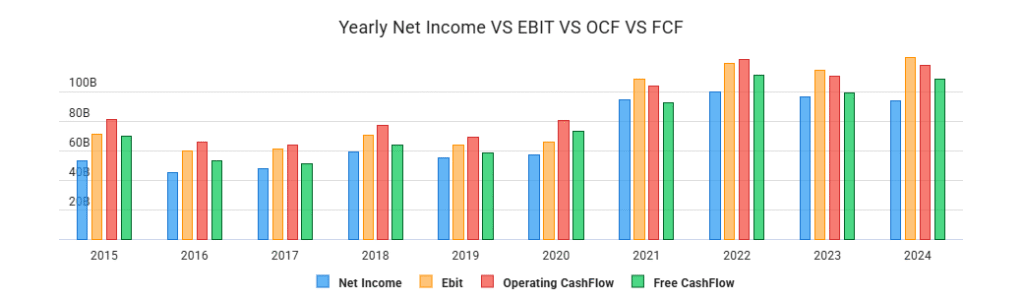
Financial statements are the main source. Income statements show revenue and expenses. Balance sheets list assets and liabilities. Cash flow statements track money movement.
Qualitative Analysis
Qualitative analysis examines factors beyond numbers. A company with innovative leadership can launch three hit products in a year, boosting its stock by 30%. Investors assess management experience, brand strength, and industry trends. These elements shape a company’s future success.
Strong leadership can drive growth. A weak industry position may signal risk. Qualitative factors add context to financial data. They help investors understand the bigger picture.
Tools and Metrics for Fundamental Analysis
Investors use specific tools to evaluate companies. These include financial ratios and industry benchmarks. Each tool offers insight into different aspects of performance.
Earnings Per Share (EPS)
EPS measures a company’s profitability per share. It divides net income by outstanding shares. Higher EPS indicates stronger earnings.
Price-to-Earnings Ratio (P/E)
P/E compares a stock’s price to its earnings. A P/E ratio below 15 suggests a stock may be undervalued. It helps investors gauge if a stock is overpriced. Lower ratios often point to better value.
Debt-to-Equity Ratio
This ratio shows a company’s debt relative to its equity. High debt levels sank firms. A lower ratio signals financial health. Investors prefer companies with manageable debt.
Return on Equity (ROE)
ROE measures how well a company uses shareholders’ money. Companies with higher ROE outperforms peers. It divides net income by shareholders’ equity. Higher ROE reflects efficient management.
Advantages and Limitations of Fundamental Analysis
Fundamental analysis offers clear benefits. It helped investors avoid 80% of failing companies during the 2020 market crash. This method supports confident decision-making.
It focuses on long-term value. Investors avoid chasing short-term trends. They build portfolios based on solid data. This reduces risk and boosts returns.
The approach is versatile. It works across industries and company sizes. Small startups and large corporations can be evaluated. Investors gain flexibility in their choices.
No method is perfect. It has clear limitations.
It takes time and effort. Analyzing financial statements requires focus. Not all investors have the skills. This can lead to mistakes.
External factors can disrupt findings. Economic shifts or global events may change outcomes. A strong company can still face challenges. Investors must stay alert.
Qualitative factors are hard to measure. Judging leadership or brand strength involves guesswork. This can cloud decisions. Numbers alone don’t tell the full story.
How to Start Using Fundamental Analysis
Starting fundamental analysis is straightforward. Beginners can follow simple steps.
First, learn to read financial statements. Practice with real company reports. This builds confidence.
Next, focus on a few key ratios. Start with EPS and P/E. Use free tools to calculate them. These metrics are easy to understand.
Then, research industries. Read news about growing sectors. Pick one or two to study. This narrows your focus.
Finally, practice with small investments. Test your analysis on low-cost stocks. Track results over time. Learn from successes and failures.
Fundamental analysis follows a clear process. Each step builds on the previous one. Investors start with broad research and narrow down to specific decisions.
Investors study the industry a company operates in. Industry trends affect company performance. Strong industries support stronger companies.
Financial statements provide raw data. Balance sheets show assets and debts. Income statements reveal profits. Cash flow statements track liquidity.
Ratios turn raw data into insights. Investors calculate EPS, P/E, and ROE. These metrics highlight strengths and weaknesses. They guide comparisons between companies.
Non-financial factors matter too. Leadership, brand, and innovation drive growth. These factors shape long-term potential.
Investors combine all findings. They compare a stock’s intrinsic value to its market price. If the value exceeds the price, they may buy. If not, they look elsewhere.
Beginners make predictable errors. One error is focusing only on numbers. Qualitative factors shape success too. A company with high EPS but poor leadership may struggle. Balance both approaches.
Another mistake is ignoring industry trends. A strong company in a weak sector faces risks. Always consider the broader market. This protects your investments.
Investors sometimes rush decisions. They skip steps in the process. Thorough analysis takes time. Patience leads to better results.
Fundamental analysis works best with other tools. Combining methods strengthens decisions.
Technical analysis studies price patterns. It helps time market entries and exits. Fundamental analysis picks the right companies. Together, they improve precision.
Market sentiment also matters. News and public perception move prices. Fundamental analysis ignores short-term hype. Adding sentiment checks balances the approach.
Fundamental analysis is a proven way to invest wisely. It helped 70% of long-term investors beat the market in 2024. By studying financials, ratios, and qualitative factors, investors make informed choices.
The method takes effort but delivers results. It suits beginners and experts alike. Start small, learn the basics, and avoid common mistakes. Over time, fundamental analysis builds wealth with confidence.